Acrylic Application for Accessories: Stylish, Durable, and Versatile

Informational

Cast acrylic sheets have become one of the most popular materials in the fashion and lifestyle industry. It can also offer endless design possibilities for accessories. 

From jewelry to display stands, acrylic provides both functionality and aesthetic appeal, making it an ideal choice for modern accessories.

Why Acrylic Works Well for Accessories

Cast acrylic sheets offer several advantages that make them suitable for wearable and decorative items. Acrylic is lightweight, making it comfortable to wear as jewelry.

It is also highly versatile; designers can cut, engrave, bend, polish, or print on acrylic to achieve various styles and creative finishes.

Its durability ensures that accessories maintain their shape and color over time, while its smooth surface gives a premium look similar to glass, without the fragility.

Another key benefit is the availability of acrylic sheets in different colors, textures, and transparency levels. Whether the goal is to create a minimal, elegant design or a bold statement piece, acrylic can match almost any creative concept.

Read also: Does Acrylic Shatter? Find Out Its Strength and Durability

Popular Acrylic-Based Accessories and Their Applications

1. Acrylic Bracelets

Acrylic bracelets are widely appreciated for their modern and minimalist appearance. They can be produced in clear, opaque, or patterned finishes and shaped using heat to create various designs.

Their lightweight nature makes them comfortable for daily wear, while their smooth surface offers a clean, polished look.

2. Acrylic Necklaces

Necklaces made from acrylic often feature geometric shapes, layered designs, or laser-cut artwork.

Clear or colored acrylic pendants provide a striking visual effect, and the material’s durability ensures the necklace remains scratch-resistant and long-lasting.

3. Acrylic Earrings

Acrylic earrings allow designers to experiment with bold shapes and vibrant colors. From large statement earrings to delicate studs, acrylic can be cut into intricate designs with high precision.

The material is also hypoallergenic, making it safe for most users.

4. Acrylic Keychains

Acrylic keychains are popular for both personal use and promotional items. They can be printed with artwork, engraved with names, or shaped into custom forms.

Acrylic’s durability ensures that keychains resist scratches and wear, even with daily use.

5. Acrylic Earring Display Stands

Beyond wearable accessories, acrylic is also used to create elegant display stands for jewelry stores or craft exhibitions.

Clear acrylic stands highlight the earrings without distracting from the product, while colored acrylic offers a more stylish presentation. The material’s rigidity ensures the stand remains stable and functional.

Read also: Acrylic Ideas for Home Decor You'll Love

6. Additional Acrylic Accessories

Other accessories include bag charms, phone charms, hair clips, brooches, and decorative desk items. Acrylic’s flexibility in design makes it suitable for both fashion-forward items and functional lifestyle accessories.

Conclusion

Acrylic accessories offer a combination of beauty, durability, and creative freedom that few materials can match.

With cast acrylic sheets from Marga Cipta, designers and brands can produce high-quality bracelets, earrings, keychains, display stands, and more.

As the demand for modern and customizable accessories continues to grow, acrylic remains one of the most versatile and reliable materials for stylish fashion and lifestyle products.

At Margacipta Wirasentosa, we supply premium cast acrylic sheets in a wide range of thicknesses, colors, and finishes to suit your unique project needs.

Ready to upgrade from glass to acrylic?

Visit our Instagram for more details about our cast acrylic sheets.

News Release

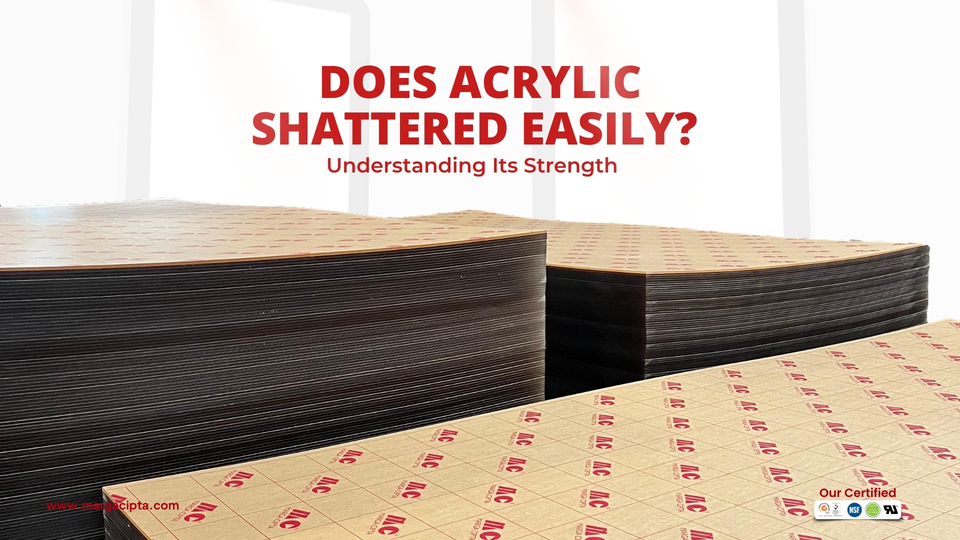
Does Acrylic Shatter? Find Out Its Strength and Durability

When comparing materials like glass and plastic, many people often ask: does acrylic shatter? The short answer is no, acrylic does not shatter like traditional glass. Instead, acrylic is designed to be far stronger, safer, and more durable. 

This makes it one of the most widely used materials across industries such as architecture, signage, interior design, and safety barriers.

Does Acrylic Shatter Like Glass?

Unlike glass, which can break into dangerous sharp shards, acrylic is impact resistant

If exposed to heavy force, acrylic is more likely to crack or break into large, blunt-edged pieces rather than splintering into tiny shards. This makes acrylic significantly safer for residential or commercial applications.

In fact, acrylic is up to 17 times stronger than glass, yet weighs only half as much. This balance of strength and lightness explains why industries worldwide are shifting toward acrylic as a glass alternative.

Read also: Do’s and Don’ts: Cleaning Acrylic Sheet the Right Way

Why Acrylic Is Safer Than Glass

The concern about shattering usually comes from using glass in high-risk environments. Glass windows, panels, and displays can be dangerous when broken. Acrylic solves this problem by offering:

  1. High Impact Resistance: Acrylic can withstand accidental knocks, falls, or collisions without shattering dangerously.
  2. Blunt Break Pattern: When acrylic does break, it forms larger, less hazardous fragments.
  3. Safe for Child and Public Environment: Because of its break-resistant nature, acrylic is commonly used in schools, hospitals, public displays, and even aquariums.

Factors That Affect Acrylic’s Durability

Although acrylic is strong, certain factors can influence whether it cracks or breaks under pressure:

  • Thickness of the Sheet: Thicker acrylic sheets are more resistant to cracking and can endure higher loads.
  • Quality of the Material: Sheets made from 100% virgin MMA (Methyl Methacrylate) are purer and more durable than those made with recycled material.
  • Environmental Conditions: Outdoor exposure to UV light, heat, and moisture can impact longevity if low-quality acrylic is used.
  • Installation and Handling: Proper cutting, drilling, and mounting prevent stress points that could cause cracking.

Real-World Applications of Acrylic

Thanks to its non-shattering nature, acrylic is a trusted material in industries that prioritize both safety and aesthetics:

  • Signage and Advertising Displays – Durable and weather-resistant, perfect for outdoor use.
  • Protective Barriers – Used in offices, retail counters, and public spaces to ensure safety without sacrificing visibility.
  • Construction and Architecture – Commonly found in windows, skylights, and partitions for their lightweight yet strong properties.
  • Furniture and Interior Design – Adds a modern, glass-like aesthetic without the fragility.
  • Medical and Food Industry – Acrylic with certifications like NSF ensures hygienic and safe usage.

Read also: Acrylic Sheet Thickness Guide: How to Choose the Right One

Does Acrylic Shatter Under Extreme Conditions?

While acrylic does not shatter like glass, it is not indestructible. Under extreme force or improper installation, acrylic may crack or snap. However, the breakage is still significantly safer than glass since it does not form sharp, splintered fragments.

In most cases, acrylic offers the perfect balance of strength, clarity, and cost-effectiveness.

So, does acrylic shatter? No, acrylic is designed to be a safer, stronger alternative to glass. With up to 17 times the strength of glass and excellent durability, acrylic is widely trusted in signage, construction, safety barriers, and interior design. 

While it may crack under extreme conditions, its breakage is far less hazardous compared to glass, making it a reliable choice for both commercial and residential applications.

PT Margacipta Wirasentosa offers high-quality cast acrylic made from 100% virgin MMA, with NSF-certified options for food contact applications.

A Step-by-Step Guide on How to Cut Acrylic Sheet Safely

Acrylic sheets are widely used in industries such as signage, display manufacturing, interior design, and fabrication. Because acrylic is lightweight and easy to shape, it can be cut into various sizes and forms for different applications.

However, cutting acrylic incorrectly may lead to cracking, chipping, or rough edges. To achieve clean and professional results, it is important to follow proper cutting techniques.

This step-by-step guide explains how to cut acrylic sheet properly and safely using commonly available tools.

Step 1: Choose the Right Cutting Tool

The cutting method depends on the thickness of the acrylic sheet.

Common tools used to cut acrylic include:

  • Acrylic scoring knife for thin sheets
  • Table saw or circular saw for thicker panels
  • Laser cutting machines for precise fabrication
  • Jigsaw for curved cuts

For thin sheets under 3 mm, a scoring knife is usually sufficient. For thicker acrylic, power tools are recommended.

Read also: Acrylic Sheet for Interior Design: Modern Applications for 2026

Step 2: Mark the Cutting Line

Before cutting, measure the acrylic sheet carefully and mark the cutting line using a ruler and marker.

To improve accuracy:

  • Use a metal ruler or straight edge
  • Double-check measurements
  • Keep the protective film on the acrylic surface to prevent scratches

Precise marking helps ensure a clean and straight cut.

Step 3: Secure the Acrylic Sheet

Place the acrylic sheet on a stable work surface and secure it using clamps if necessary.

This prevents the material from moving during the cutting process and reduces the risk of uneven cuts.

If using power tools, make sure the sheet is supported evenly on both sides.

Step 4: Cut the Acrylic Slowly

When cutting acrylic, slow and steady movement is important.

For scoring knives:

  1. Score the marked line multiple times using firm pressure.
  2. Move the sheet to the edge of a table.
  3. Snap the sheet carefully along the scored line.

For saw cutting:

  • Use fine-tooth blades designed for plastics.
  • Avoid cutting too fast to prevent melting or chipping.

Read also: How to Identify High-Quality Cast Acrylic Sheets | Buyer’s Guide

Step 5: Smooth the Edges

After cutting, the acrylic edge may feel rough or sharp. To achieve a smooth finish:

  • Use fine sandpaper to polish the edge
  • Apply gradual pressure while sanding
  • Clean the surface after finishing

For professional fabrication, polishing techniques such as flame polishing or buffing may also be used.

Safety Tips When Cutting Acrylic

Always prioritize safety when working with acrylic sheets. Important safety precautions include:

  • Wear safety glasses to protect your eyes
  • Use gloves to avoid cuts from sharp edges
  • Ensure proper ventilation when using power tools
  • Keep hands away from the blade during cutting

These steps help reduce the risk of injury and improve cutting accuracy.

Conclusion

Learning how to cut acrylic sheet properly can significantly improve the quality of fabrication projects.

By using the right tools, marking accurately, cutting slowly, and smoothing the edges, you can achieve clean, professional results without damaging the material.

Whether you are working on signage, display stands, or DIY projects, proper cutting techniques will help you maximize the versatility of acrylic sheets.

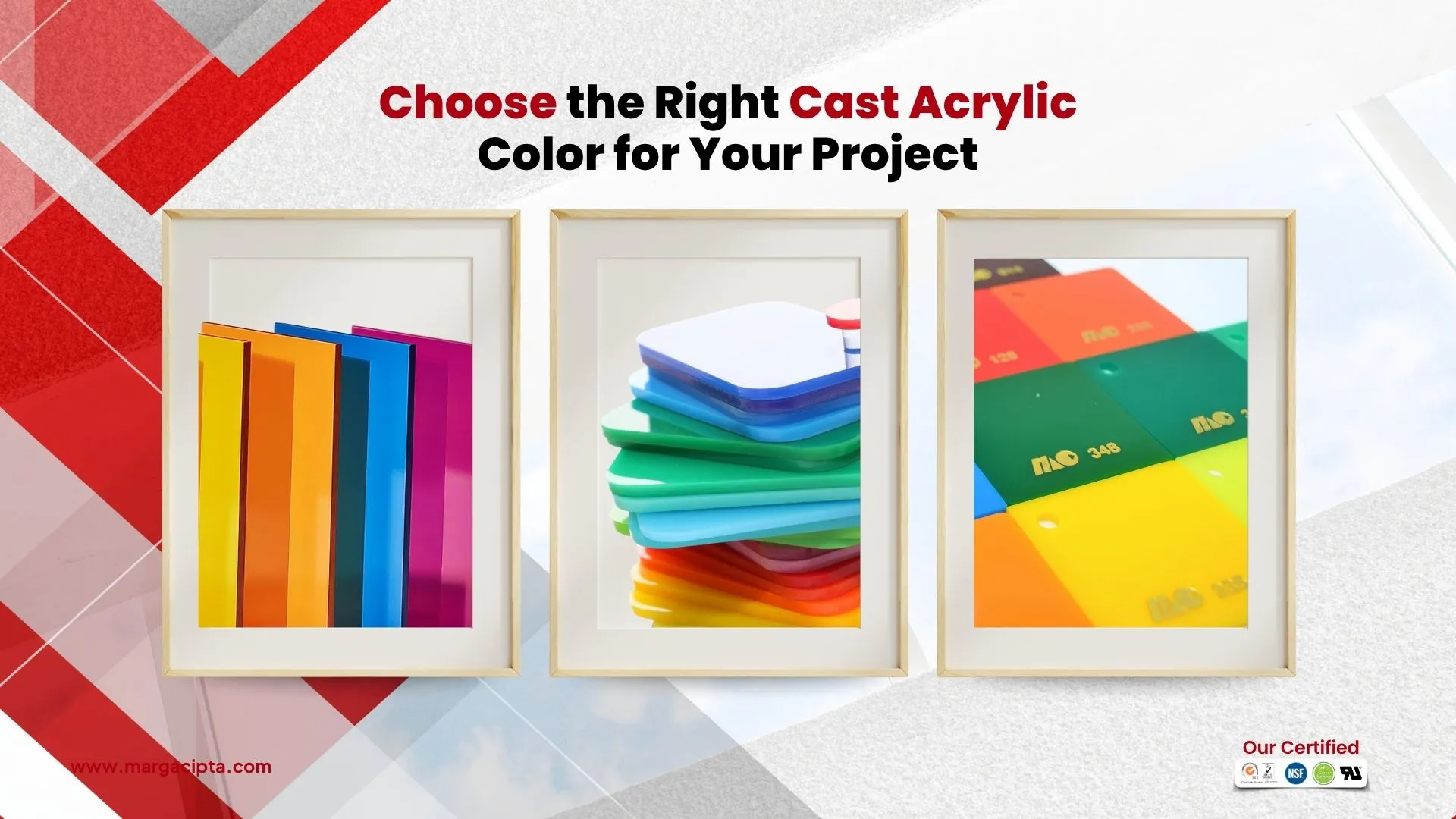
Choose the Right Cast Acrylic Color for Your Project

When working with acrylic sheets, color isn't just about aesthetics, it plays a functional role in enhancing visibility, brand identity, and even light diffusion. 

Among all types of acrylic, cast acrylic sheets stand out for their vibrant color range, clarity, and versatility in various applications.

In this article, let’s explore the different color options available for cast acrylic and how each one is commonly used in industries such as signage, interior design, and product display.

Why Choose Colored Cast Acrylic Sheets?

Cast acrylic is known for its durability, excellent workability, and brilliant color options. 

Unlike extruded acrylic, cast acrylic offers deeper pigmentation, allowing for better light diffusion, UV resistance, and long-term color stability.

Whether you're designing a lightbox, a retail display, or custom decor, the color of your acrylic sheet can influence both function and appearance.

Various Cast Acrylic Colors and Their Common Uses

1. Red Cast Acrylic

Red acrylic sheets are bold, eye-catching, and often used for:

  • LED signage and illuminated logos
  • Emergency signs and alert messages
  • Retail branding to match corporate identity

Thanks to their light-transmitting properties, red acrylic works beautifully when backlit.

2. Orange Cast Acrylic

Orange adds warmth and vibrancy. It’s ideal for:

  • Creative store displays
  • Children’s products or spaces due to its playful tone
  • Event decorations for a fun, energetic feel

Read also: What Is Cast Acrylic Used For? A Closer Look

3. Yellow Cast Acrylic

Bright and energetic, yellow acrylic is perfect for:

  • Directional signage and caution markers
  • Art installations requiring a sunny pop of color
  • Menu boards or display backdrops

4. Green Cast Acrylic

Green symbolizes freshness and balance. It’s commonly used in:

  • Eco-themed displays
  • Interior accents such as partitions or wall decor
  • Hospitality and health branding

5. Blue Cast Acrylic

Calm and professional, blue acrylic suits:

  • Corporate signage
  • Architectural features
  • Exhibition booths and brand walls

Its cool tones offer a sense of trust and reliability.

6. Purple Cast Acrylic

Often associated with creativity and luxury, purple is used in:

  • Boutique signage
  • Cosmetics displays
  • Artistic or promotional installations

It’s a strong choice for niche branding and elegant design.

Read also: Benefits of Using Clear Cast Acrylic Sheet

7. Pink Cast Acrylic

Fun, friendly, and soft, pink acrylic is great for:

  • Beauty product displays
  • Kids' room decor
  • Event props for birthdays, weddings, or launches

Pink offers emotional warmth and visual softness.

8. Clear/Transparent Cast Acrylic

The most versatile option, clear acrylic is ideal for:

  • Protective barriers and sneeze guards
  • Display cases and shelves
  • DIY projects and signage overlays

Its high light transmission and glass-like appearance make it perfect for showcasing products.

9. White Opaque Cast Acrylic

White sheets are commonly used for:

  • Lightboxes and illuminated signs
  • Acrylic boxes for packaging or storage
  • Architectural models and minimalist design features

Opaque white diffuses light beautifully and offers a clean, modern finish.

Choosing the Right Color for Your Application

When selecting a color for your acrylic sheet, consider:

  • Lighting conditions (especially for backlit applications)
  • Brand or thematic color consistency
  • Functionality. For example, warning signs should use red or yellow
  • Visual impact depending on the setting (retail, industrial, personal)

Colored cast acrylic sheets offer endless possibilities for creative and functional applications. Whether you're a designer, fabricator, or business owner, choosing the right acrylic color can enhance the overall effect of your project.

At Margacipta Wirasentosa, we provide high-quality cast acrylic sheets in a wide range of colors, from bold reds to crisp whites, ensuring you have the perfect match for your needs.

Contact our team today or explore our Instagram to explore our color range and find the perfect sheet for your next project.

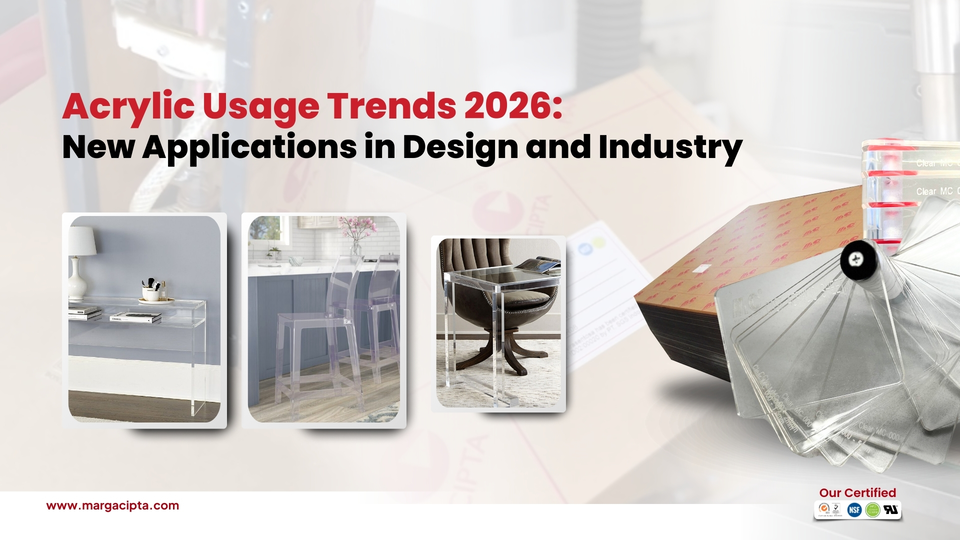
Acrylic Usage Trends 2026: New Applications in Design and Industry

Acrylic continues to gain momentum as one of the most versatile materials across design, construction, and manufacturing industries. Known for being lightweight, strong, highly transparent, and easy to fabricate, acrylic is increasingly replacing traditional materials such as glass and metal.

As we move into 2026, acrylic is no longer limited to signage or displays. Its applications are expanding rapidly, opening new opportunities for businesses, designers, architects, and manufacturers. Below are the key acrylic usage trends predicted to shape design and industry in 2026.

Trend 1: Acrylic Interior Panels

One of the strongest acrylic usage trends in 2026 is the rise of acrylic interior panels for both commercial and residential buildings.

Why this trend is growing:

The rapid development of offices, retail spaces, hotels, and modern housing has increased demand for materials that are visually appealing, durable, and cost-efficient. Acrylic interior panels offer high clarity and a sleek, minimalistic look, making them ideal for partitions, wall panels, and decorative elements.

Compared to glass, acrylic is more affordable, lighter, and easier to install. Designers and architects also favor acrylic for its flexibility in color, thickness, and finish, allowing them to create modern interior concepts without compromising safety or aesthetics.

Read also: 100% Virgin MMA: The Key to High-Quality Acrylic Sheets

Trend 2: LED Signage and Display Systems

LED signage remains one of the most dominant acrylic applications heading into 2026.

Why this trend continues to rise:

Offline retail transformation is still strong, particularly in developing markets where physical stores continue to evolve. Many small and medium-sized businesses are renovating storefronts and upgrading visual branding, increasing demand for LED signage and display systems.

Acrylic is the preferred material for LED signage due to its excellent light transmission, smooth surface, and ability to diffuse light evenly. From illuminated logos and lightboxes to promotional displays, acrylic helps businesses create brighter, more attractive visual communication.

Trend 3: Acrylic Greenhouse Panels

Sustainability and food security are driving the growth of urban farming, hydroponics, and smart agriculture—making acrylic greenhouse panels a key trend in 2026.

Why this trend is emerging:

Acrylic offers superior UV resistance, high transparency, and better impact strength compared to glass. These properties make it ideal for greenhouse roofs and walls, where consistent light transmission and durability are essential.

As urban farming expands into rooftops, compact land areas, and controlled environments, acrylic greenhouse panels provide a long-lasting, lightweight solution that supports plant growth while reducing maintenance costs.

Read also: Food Grade Acrylic: Safe Choice for Your F&B Business

Trend 4: Furniture, Home Décor, and Small Products

Acrylic furniture and decorative items are gaining popularity, influenced heavily by social media-driven interior trends.

Why this trend is accelerating:

Clean, modern, and minimalist interiors are in high demand, and acrylic fits perfectly into this aesthetic. Furniture such as acrylic chairs, tables, shelves, and decorative panels offers a contemporary look without making spaces feel heavy.

In addition, e-commerce sellers increasingly use acrylic for DIY products and small household items. Consumers prefer materials that are lightweight, modern, durable, and visually appealing—qualities that acrylic delivers consistently.

Acrylic: A Material with Expanding Relevance

The versatility of acrylic makes it increasingly relevant across industries beyond traditional applications. From architecture and retail to agriculture and lifestyle products, acrylic continues to adapt to changing market needs.

To support these growing demands, choosing a high-quality material is essential. MC® Cast Acrylic Sheet is a proven solution, offering consistent clarity, strength, and fabrication performance for both design and industrial applications.

Conclusion

Acrylic usage trends in 2026 highlight a clear shift toward materials that combine aesthetics, durability, and flexibility. Interior panels, LED signage, greenhouse systems, and furniture are just a few examples of how acrylic is shaping the future of design and industry.

By leveraging reliable materials like MC® Cast Acrylic Sheet, businesses can stay ahead of trends and unlock new opportunities in an evolving market.